
More from RandomBlogg
Keep exploring
A curious mind never runs out of things to explore.
Browse all blog posts →Why I Use AIAnime recommendationsFinding meaning in the unexpectedAbout RandomBlogg
Enjoying this article?
Share your own everyday-object curiosity in the comments.
Have you ever looked at something you use every day and wondered who came up with it? I have. We use paper clips without a second thought, pull up a zipper in a second, and make time for a cup of chai like it is the most normal thing in the world. But these little things have stories of their own—and some of them are more interesting than you might expect.
So, here are a few everyday objects I got curious about. This is not a list of inventions that changed the whole world overnight. It is more about the small ideas that quietly became part of our routines.
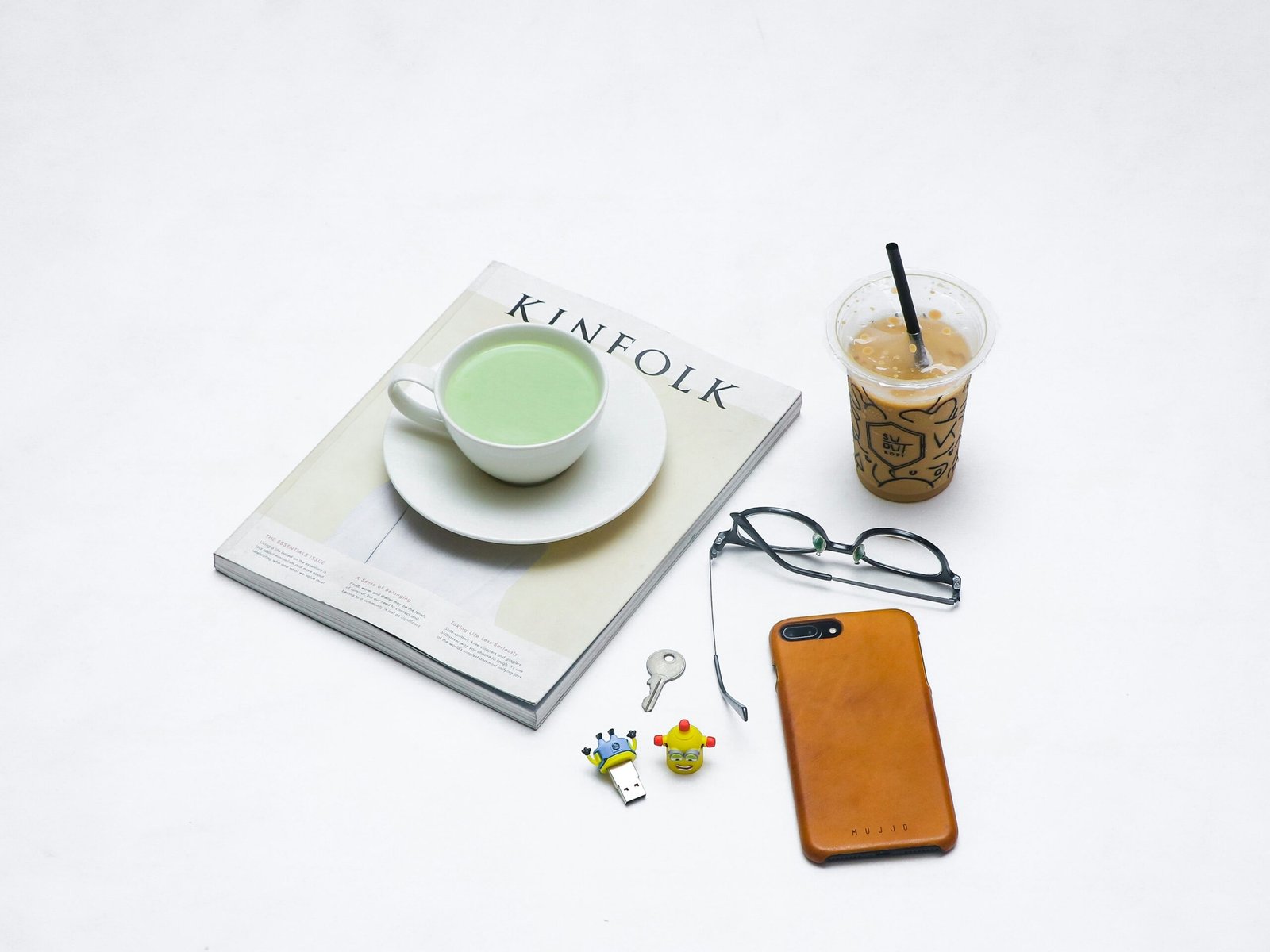
1. The Paper Clip: A Tiny Thing That Keeps Everything Together
A paper clip is about as simple as an object can get. You have a few loose pages, you clip them together, and you move on with your day. No holes, no glue, no big deal.
What surprised me is that the paper clip does not have one neat, universally agreed origin story. Different fastener designs appeared as people tried to find a better way to hold papers together. Norwegian inventor Johan Vaaler patented one design around the start of the twentieth century, but the familiar double-loop “Gem” paper clip is a different design and its exact origins are uncertain.
It is a good reminder that inventions are not always the work of one person having one brilliant moment. Sometimes several people work on similar problems until a practical design catches on.
2. The Zipper: A Small Invention We Barely Notice
Think about how many things have zippers: jackets, school bags, pencil cases, suitcases and more. We pull one little tab and the job is done. It feels so obvious now that it is easy to forget someone had to figure out how to make it work.
Early fasteners were developed in the late nineteenth century, but the first versions were not quite like the reliable zippers we use today. Inventor Whitcomb Judson introduced an early “clasp locker” in 1893. Later, engineer Gideon Sundback improved the design, developing a more practical system of interlocking teeth; one of his important designs was patented in 1913.
The interesting part is that the zipper became useful through improvement over time. A good idea still needs to be made dependable, easy to produce, and convenient enough for people to use every day.
3. The Tea Bag: Less Mess, Same Comfort
For many people, tea is part of the day, whether it is the first cup in the morning or a quick break in the afternoon. Loose tea has been brewed for a long time, but the tea bag made it easier to prepare one cup without needing to strain the leaves afterwards.
You may have heard the story that American tea merchant Thomas Sullivan sent tea samples in small silk bags in the early 1900s, and some customers brewed the tea without taking it out. It is a popular story, although the full development of the tea bag involved more than one person and several designs and materials.
Whatever the exact path, the appeal is easy to understand: put the bag in hot water, wait a little, remove it, and enjoy your tea. Sometimes a useful invention is simply the one that makes an everyday task easier.
4. The Chai Cup: A Small Part of a Big Ritual
Now for chai, because it deserves a place here. In India, chai can mean a lot more than a drink. It might be the cup you have before starting work, the one a guest is offered, or the reason a conversation carries on a little longer.
Tea drinking in India grew and changed over time. Tea cultivation and promotion expanded under British colonial rule in the nineteenth century, and tea gradually became part of everyday life for many more people. People made it their own, often preparing it with milk and sugar, and sometimes spices. There is no single recipe that represents every home or region.
And the cup itself? That has its own variety. Chai might be served in a ceramic cup at home, a glass at a stall, or a small clay kulhad in some places. There is no single “original chai cup” that explains it all. The vessel depends on the place, the habit, and the person serving it.
That is what I like about this example: the object is simple, but the memories and conversations around it make it feel important.
5. The Ballpoint Pen: The Everyday Tool Behind a Thousand Notes
We use pens to sign forms, write shopping lists, scribble reminders, and take notes when an idea appears at the wrong time. A ballpoint pen seems ordinary now, but it solved a practical problem: making writing more convenient and less messy than some earlier writing tools.
Several inventors contributed to ballpoint pen designs. Journalist László Bíró is especially associated with developing a practical pen that used thicker, quick-drying ink. His work helped move the idea towards the reliable everyday pens that later became widely available.
I think this is another example of how the best inventions do not always ask for our attention. They just work, so we forget how much thought went into making them useful.
What These Little Histories Have in Common
A paper clip, a zipper, a tea bag, a chai cup and a pen do not seem to have much in common at first. But each one connects to a familiar need: keeping things together, closing something securely, making tea easily, sharing a drink, or writing something down.
And their stories are rarely as simple as “one person invented it and everyone started using it.” Designs are improved, materials change, and people adapt things to suit their lives. That is often how an ordinary object becomes a permanent part of everyday life.
Next time you zip up a bag or stop for chai, take a second to notice the little things around you. You never know what might turn into your next random curiosity. That is one of the things I enjoy about looking at everyday life: even familiar objects can give us something new to think about.
Frequently Asked Questions
Who invented the paper clip?
There is no single, undisputed inventor of the familiar paper clip. Johan Vaaler patented a design, but the commonly used Gem-style clip is a different design with an uncertain origin.
When was the zipper invented?
Early fastener designs appeared in the late nineteenth century. Gideon Sundback’s improvements, including a design patented in 1913, helped shape the modern zipper.
Was the tea bag invented by accident?
A popular story links its rise to tea samples sent in small bags by Thomas Sullivan. However, the tea bag developed through several designs and contributors, so the complete history is more complicated.
Why is chai so popular in India?
Tea became part of daily life through a mix of wider availability, local preparation styles, and social habits. Chai is enjoyed differently across households and regions.
If you enjoy these small rabbit holes as much as I do, have a look around RandomBlogg. Different topics, one curious mind.